The Vibrancy of Color Theory in Fashion: From Runways to Streetwear
The Foundations of Color Theory in Fashion
Color theory is more than just a designer's palette; it's the evocative language of the fashion world. From the runways of Paris to the bustling streets of Amsterdam, color defines our perception of style, influencing mood, perception, and even cultural significance. In July 2026, as we bask in the summer sun, the dynamic interplay of color continues to be a vital instrument for fashion designers worldwide.
Primary and Secondary Colors: The Basics
Understanding primary and secondary colors is essential for grasping the fundamentals of color theory. Primary colors—red, blue, and yellow—are the building blocks from which all other colors are derived. When these are mixed, we get secondary colors such as green, orange, and purple. The significance of these hues varies across cultures, enhancing the global tapestry of fashion aesthetics.
Color Harmony and Its Impact
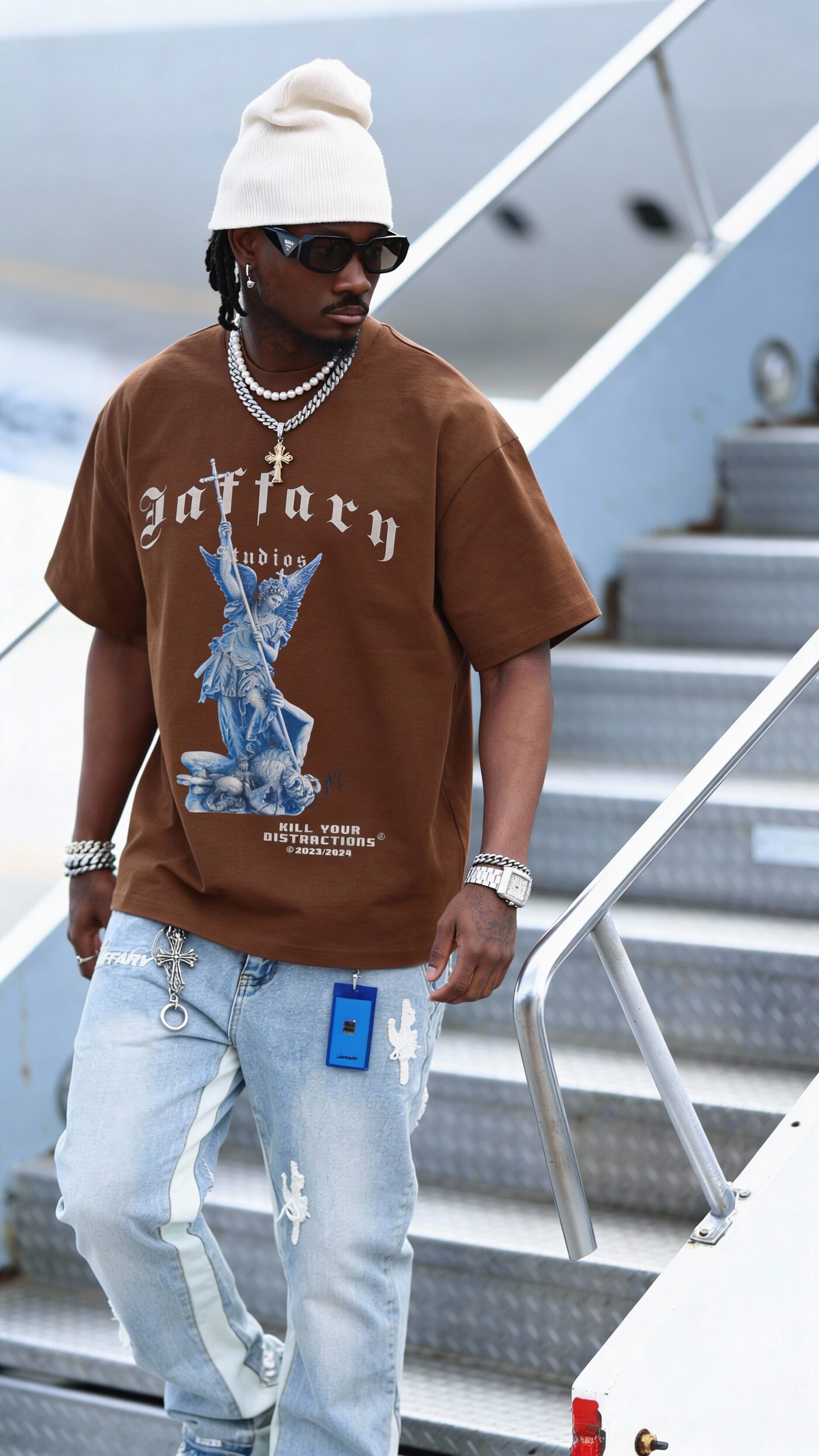
Color harmony involves the pleasing arrangement of colors, a principle that guides designers like Virgil Abloh and Demna Gvasalia in crafting collections that resonate aesthetically. Harmonious color combinations can evoke emotions, create unity, and tell a brand's story, much like how Jaffary Studios expresses their ethos, "K!LL Your Distractions," through bold yet harmonious color palettes.
The Influence of Historical and Cultural Color Trends
Color in fashion is deeply intertwined with historical and cultural narratives. Decades like the 1970s thrived on vivid, bold colors reflecting societal changes, while the minimalist approach of the 1990s leaned towards neutrals, emphasizing simplicity and sophistication.
Cultural Color Significance
Colors like red in Chinese culture symbolize luck and joy, whereas white in Western weddings radiates purity and innocence. Fashion brands often tap into these cultural significances, enabling their collections to voice a deeper narrative. Jaffary Studios often draws inspiration from global cultures, integrating these timeless motifs into their luxury streetwear.
- Red - Energizing, passionate
- Blue - Calm, reliable
- Yellow - Bright, optimistic
Contemporary Color Trends in High Fashion and Streetwear
As the boundaries between high fashion and streetwear blur, color trends evolve rapidly, serving as a reflection of societal shifts and technological advancements. In the current season, sustainable and tech-inspired hues like ecru, neon greens, and digital blues dominate the scene.
Pastels and Neons: A Modern Love Affair
The juxtaposition of soft pastels and bold neon colors marks a significant trend in 2026. Brands are succumbing to this duotone strategy, blending serenity with audacity. Jaffary Studios, known for its avant-garde style, exemplifies this trend in our premium hoodies, highlighting the electric vibe of city life.
The Rise of Monotone Styling
Embracing a single hue from head to toe is a modern rebuttal to the chaos and clutter of contemporary life. This monotone styling approach resonates well with the Jaffary Studios philosophy of "K!LL Your Distractions," providing a sleek, focused fashion statement.
Conclusion: The Future of Fashion Through Colored Lenses
Colors in fashion serve more than aesthetic pleasure; they're the conduits of expression and identity. As we move forward, the collaboration between the opulence of high fashion and the authenticity of streetwear will continue to evolve, painting the future in vibrant, meaningful strokes. Jaffary Studios remains a beacon in this new age, prompting us to appreciate not only the colors we wear but the stories they tell.