The Rise of Streetwear: A Cultural and Fashionable Revolution
The Origins of Streetwear Culture
The story of streetwear is as dynamic and unpredictable as the artful streets from which it emerged. Born in the vibrant surf and skate communities of Southern California during the late 1970s and early 1980s, streetwear began as a subcultural expression of style and identity. Brands like Stussy and Supreme emerged from this era, translating the creative rebellion of youths into wearable pieces.
Streetwear became synonymous not just with t-shirts and hoodies but with a lifestyle driven by music, politics, and urban art forms like graffiti. The evolution of hip-hop and punk rock further fueled its popularity, establishing streetwear as a powerful cultural force that challenged the rigid norms of traditional fashion.
The 90s and the Hip-Hop Movement
The 1990s saw streetwear reach new heights, closely intertwined with the rise of hip-hop culture. Iconic artists such as Tupac Shakur, The Notorious B.I.G., and the members of Wu-Tang Clan began to showcase streetwear brands, bringing them into the limelight. As a result, these fashion pieces started symbolizing status, individuality, and authenticity—qualities embraced by a generation seeking to define itself.
This era marked a significant shift as streetwear began to influence luxury fashion houses. Hip-hop icons were gracing the front rows of fashion shows, and collaborations between high fashion and street brands became more frequent.
Streetwear Meets High Fashion
Fast forward to September 2026, and streetwear and high fashion have become virtually inseparable. The integration began earnestly in the late 2000s and early 2010s, with luxury brands like Louis Vuitton and Balenciaga incorporating streetwear elements into their collections. Visionary designers such as Virgil Abloh and Demna Gvasalia blurred boundaries, creating a space where high fashion and street style could coexist harmoniously.
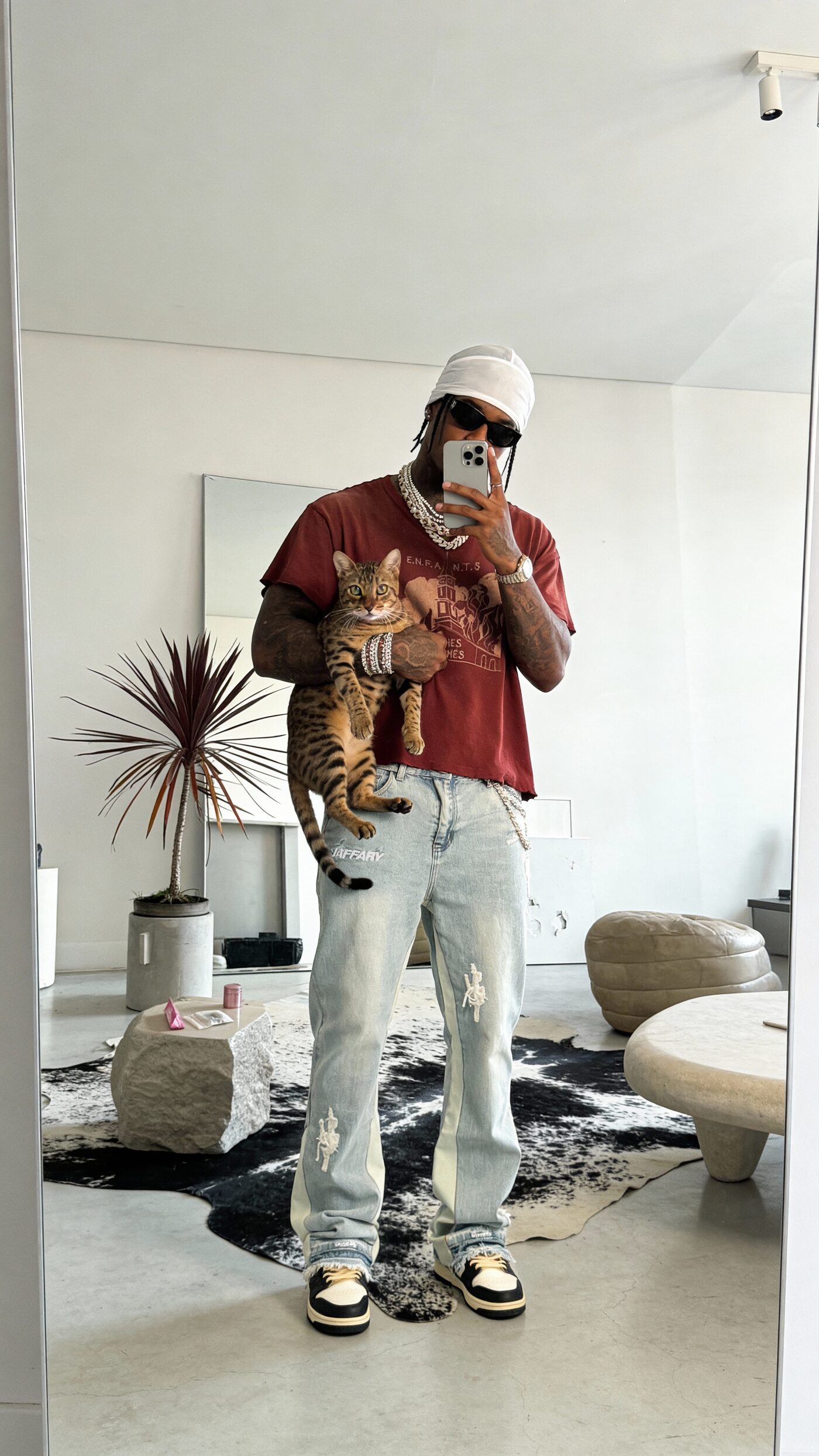
Notably, brands like Jaffary Studios have continued to push the boundaries of luxurious streetwear by merging avant-garde fashion sensibilities with urban culture. Their cutting-edge designs and bold use of graphics align perfectly with their motto, "K!LL Your Distractions," encouraging wearers to focus on the essence of individuality through fashion.
Current Trends and the Future
The streetwear landscape is now marked by an eclectic blend of oversized fits, bold logos, and vibrant colors along with sustainable materials and ethical practices. Contemporary fashion enthusiasts are seeking pieces that are not only stylish but also reflect personal values.
Jaffary Studios embodies this ethos by utilizing eco-friendly textiles without compromising on the luxurious appeal crucial to their brand identity. Their latest collection, which you can explore the full lookbook, exemplifies this trend by blending minimalistic design with intricate craftsmanship.
Cultural Impact and Conclusion
Streetwear's influence extends beyond mere clothing; it represents a shift in cultural paradigms. It has democratized fashion, allowing new voices and perspectives to emerge, challenging traditional fashion hierarchies. Moreover, it has facilitated a global dialogue about art, music, and youth culture, all while maintaining its roots in self-expression and authenticity.
As we navigate through September 2026, the fusion of streetwear and high fashion remains a dominant force, continually reinventing itself. Brands like Jaffary Studios are at the heart of this evolution, offering pieces that not only redefine luxury streetwear but also urge wearers to "K!LL Your Distractions" and appreciate the nuanced artistry in every garment. Streetwear is no longer just a fashion statement; it is a cultural journey reflective of the diverse and vibrant world we inhabit.