Sustainable Style: Shaping Streetwear's Future in 2026
The Rise of Sustainable Fashion
In recent years, sustainable fashion has evolved from a mere trend into a fundamental shift within the luxury streetwear industry. As we delve into October 2026, it's clear that environmental consciousness is at the core of many emerging fashion narratives. Notably, brands from all over the world, including Jaffary Studios, are adopting sustainable practices that align with the ethos: 'K!LL Your Distractions' to ensure that style does not compromise the planet.
Understanding Sustainable Streetwear
Sustainable streetwear champions ethical production practices, which include utilizing recycled materials, minimizing waste, and reducing carbon footprints. This approach not only respects the environment but also elevates the craftsmanship of each piece, making it a coveted choice for fashion-forward individuals. Innovative designers such as Stella McCartney and Virgil Abloh are leading the charge, pushing the boundaries of what sustainable fashion can accomplish in streetwear.
Jaffary Studios advances this movement by implementing eco-friendly materials without sacrificing style or quality. Their collections prove that sustainability can seamlessly blend with the cutting-edge aesthetics of luxury streetwear.
Innovation and Design
The intersection of sustainability and fashion often yields remarkable innovation. Designers are experimenting with organic materials, textiles, and dyeing methods that decrease environmental impact. For instance, the use of hemp, organic cotton, and fabric blends made from recycled plastics not only addresses ecological concerns but also introduces unique textures to streetwear collections.
Color and Texture Trends
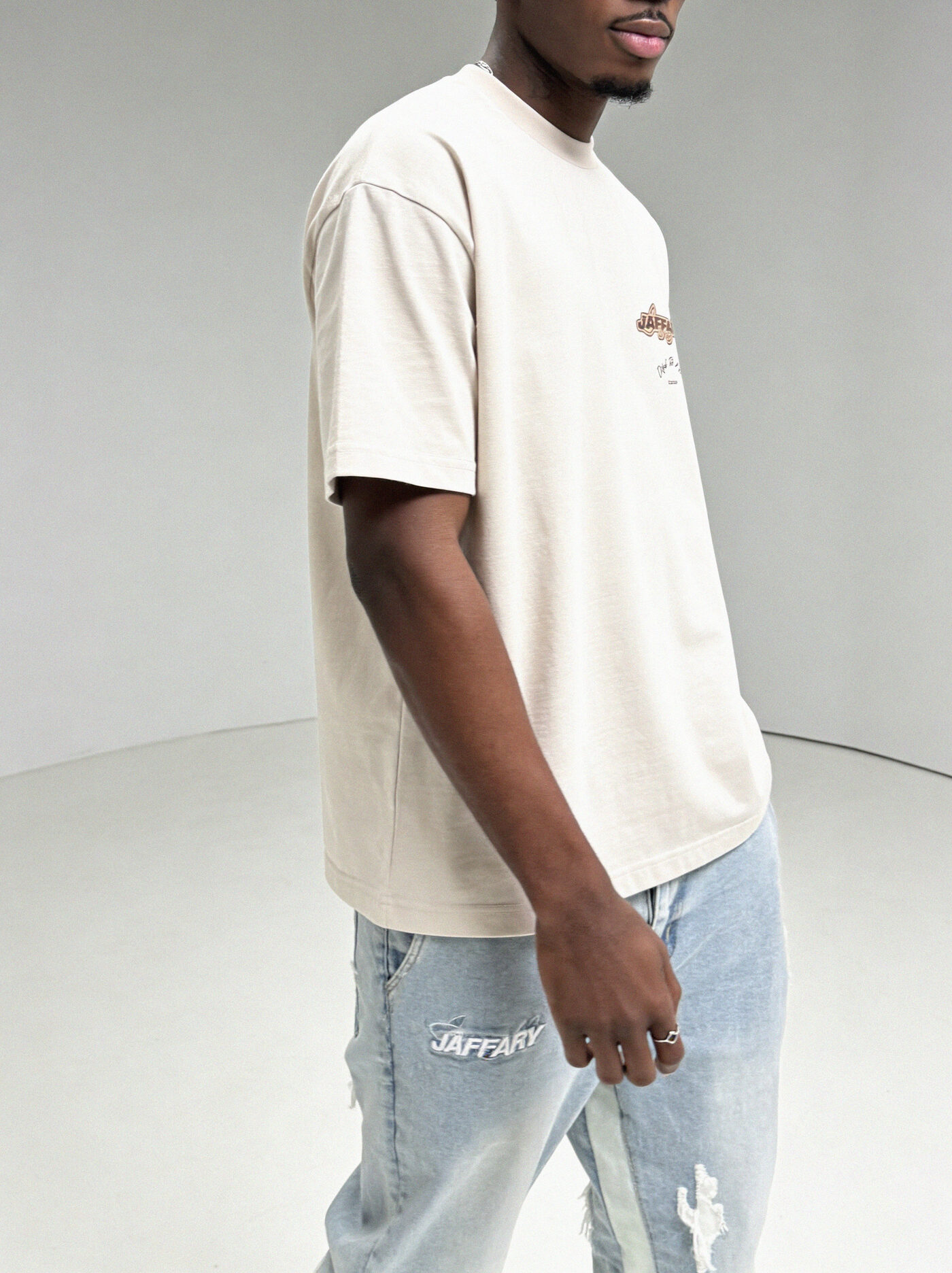
Looking at color trends, earthy tones, and muted palettes have become prevalent in 2026's sustainable fashion. These colors not only reflect a connection to nature but also foster a timeless appeal in streetwear pieces. Jaffary Studios has successfully integrated these elements into their Jaffary t-shirts, offering a range that is both versatile and stylish. Moreover, the textured appearance of sustainable fabrics enhances the artistry within each garment, appealing to those seeking a distinctive and thoughtful wardrobe.
Community and Cultural Impact
Sustainable fashion's footprint extends beyond materials and design to cultural and community impacts. This movement encourages conscious consumption, urging consumers to invest in quality pieces that support ethical practices. With this shift, brands are embracing transparency in their supply chains, highlighting the stories behind their collections.
Collaborative Efforts
Collaborations also play a crucial role. Partnerships between luxury streetwear brands and environmental organizations foster greater awareness and action. For example, joint initiatives like capsule collections promote sustainable causes while introducing consumers to responsible fashion choices. Notably, Jaffary Studios' collaborations echo their dedication to meaningful fashion, enhancing both the brand and the world around it.
As sustainable fashion continues to impact the industry, consumers are becoming more informed and discerning. They demand authenticity and sustainability in the brands they support, driving the continued growth of environmentally responsible fashion practices. In this evolving landscape, brands like Jaffary Studios are not just participants; they are pioneers in sculpting the future of streetwear.
In conclusion, sustainable streetwear is not merely about adopting a trend—it's about redefining the core principles of fashion for a better tomorrow. By prioritizing eco-friendly practices, innovative design, and community engagement, the industry is poised to make a lasting impact on both fashion and the world. By choosing to adapt to these changes, you not only stay ahead in style but also contribute to a more sustainable future.