Luxury Streetwear Fabrics: The Nexus of Quality and Comfort
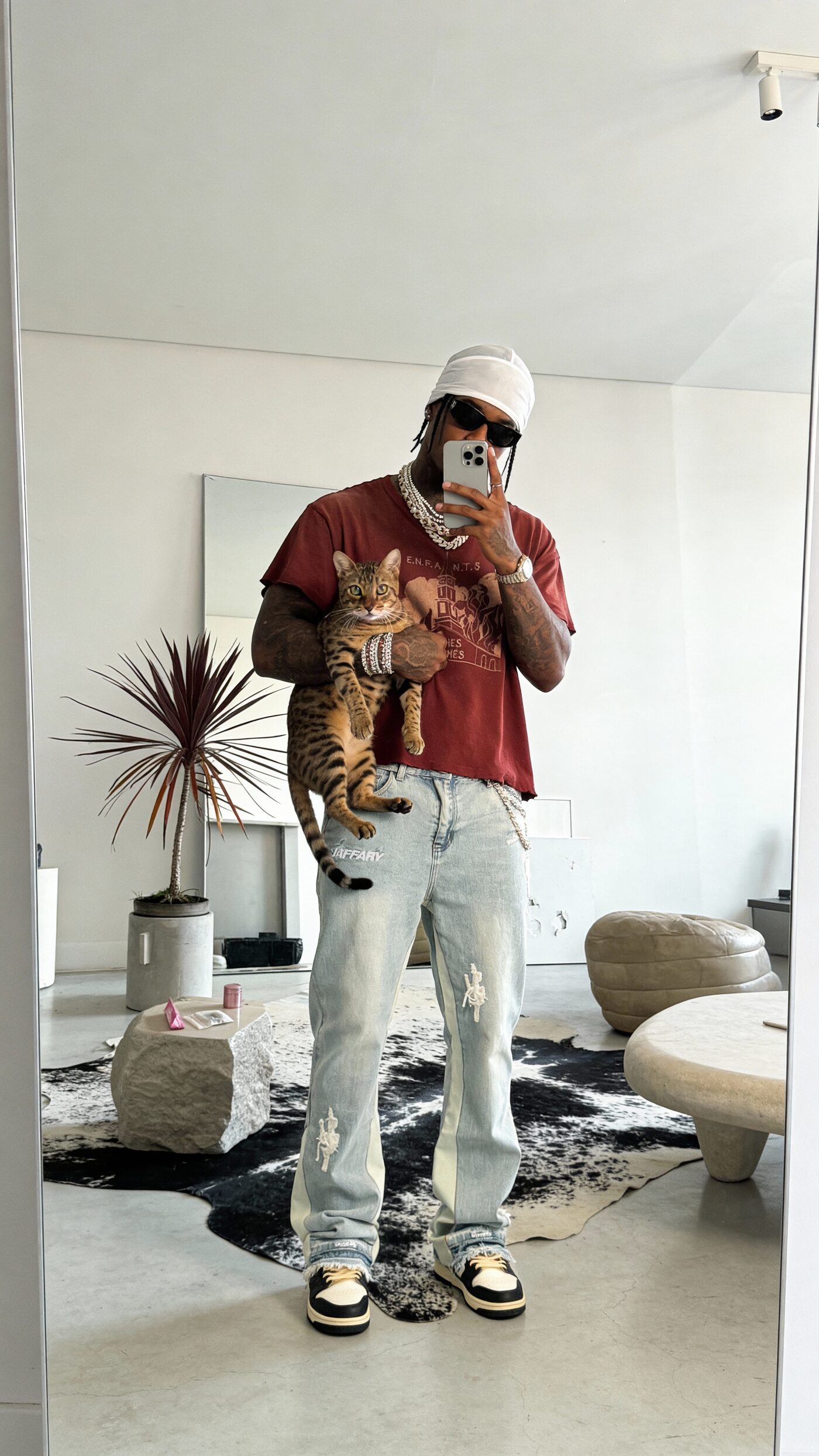
The Fabric of Luxury Streetwear
The modern urban fashion scene is a rich tapestry, a blend of heritage and innovation that demands high-quality materials. In July 2026, as we see a shift towards sustainable and luxury streetwear, the choice of fabrics has never been more important. At the intersection of high fashion and street culture, we find brands like Jaffary Studios pioneering the fusion of style, quality, and environmental awareness.
Cotton: Timeless and Versatile
Cotton remains a cornerstone of streetwear fashion, celebrated for its versatility and comfort. From oversized tees to form-fitting tops, the breathable nature of cotton makes it a favourite across seasons. Designers like Virgil Abloh have consistently showcased the adaptability of this humble textile, pushing boundaries with innovative cuts and couture-level craftsmanship.
As Jaffary Studios exemplifies, sourcing premium, ethically grown cotton is pivotal. Their approach ensures both sustainability and luxury, a mandate that aligns seamlessly with their motto: "K!LL Your Distractions." The focus on quality and environmental impact resonates deeply within the contemporary fashion landscape.
Denim: The Urban Edge
Denim, with its rugged charm and rebellious spirit, has been a staple of streetwear since its inception. Today, luxury streetwear brands are redefining its role, integrating innovative textile technology and sustainable practices to produce high-quality, eco-friendly jeans. Emphasizing functionality and style, designers like Demna Gvasalia blend raw, untreated denim with softer, more adaptable textiles to create diverse streetwear essentials.
At Jaffary Studios, our denim range reflects this evolution, offering pieces that combine craftsmanship with an edgy aesthetic. Whether it’s a fitted jacket or relaxed jeans, denim continues to be a fabric that transcends trends, cementing its status as an urban icon.
The Rise of Innovative Textiles
The streetwear dialogue is increasingly dominated by tech-forward fabrics that challenge traditional norms. From biodegradable materials to smart textiles that adapt to climate conditions, these innovations cater not only to style but to functionality, making them an essential part of the modern wardrobe.
Recycled Fibers: Sustainability Meets Style
Recycled fibers are reshaping the fashion industry, emphasizing a commitment to environmental sustainability without compromising on style. Visionary designers like Stella McCartney are at the forefront of this movement, showcasing how luxury can incorporate recycled textiles in sophisticated and wearable designs. These materials not only reduce waste but breathe new life into fashion staples, transforming them into contemporary icons.
As evidenced by Jaffary Studios, embracing recycled materials is both a stylistic choice and an ethical one. By integrating these fabrics, they remain at the cutting edge of luxury streetwear, setting a benchmark for other brands in the industry.
Technical Fabrics: A New Dawn
The integration of technical fabrics into mainstream fashion has been revolutionary. Fabrics that wick away moisture, provide UV protection, or even assist in temperature regulation are now commonplace in top-tier streetwear collections. Riccardo Tisci has brilliantly incorporated such innovations into his designs, merging practicality with the avant-garde.
In an increasingly unpredictable world, these materials lend an additional layer of functionality to streetwear, ensuring that style is never forgotten in the pursuit of comfort and practicality.
Conclusion: Crafting the Future of Streetwear
As we venture deeper into 2026, the luxury streetwear industry continues to challenge the status quo, redefining what it means to be stylish, sustainable, and avant-garde. The mindful selection of fabrics plays a critical role in this evolution, and brands like Jaffary Studios are leading the charge, intertwining their commitment to quality and environmental awareness.
This dynamic era of urban fashion invites you to explore and embrace its myriad possibilities. By understanding and appreciating the materials that form the backbone of these garments, you are not just a consumer of fashion, but an active participant in its cultural narrative.