Decoding Global Street Trends: A Journey Through Cultures
The Rich Tapestry of Global Street Style
As fashion evolves into a global language, street style acts as its vibrant dialect, shaped by cultural nuance and local trends. In June 2026, street fashion signifies a powerful expression of identity and social narrative, weaving together high-end aesthetics with the grittiness of urban culture.
The Bold and the Beautiful: Tokyo's Fashion Innovation
Tokyo stands at the crossroads of avant-garde innovation and traditional elegance. Harajuku’s eclectic street style mixes playful colors, exaggerated patterns, and daring silhouettes, creating an eccentric yet aesthetically coherent narrative. Designers like Rei Kawakubo and Yohji Yamamoto influence the city's fashion ethos, blending modern technology with traditional craftsmanship to create futuristic garments that are as comfortable as they are revolutionary.
Effortless Chic: Parisian Streetwear
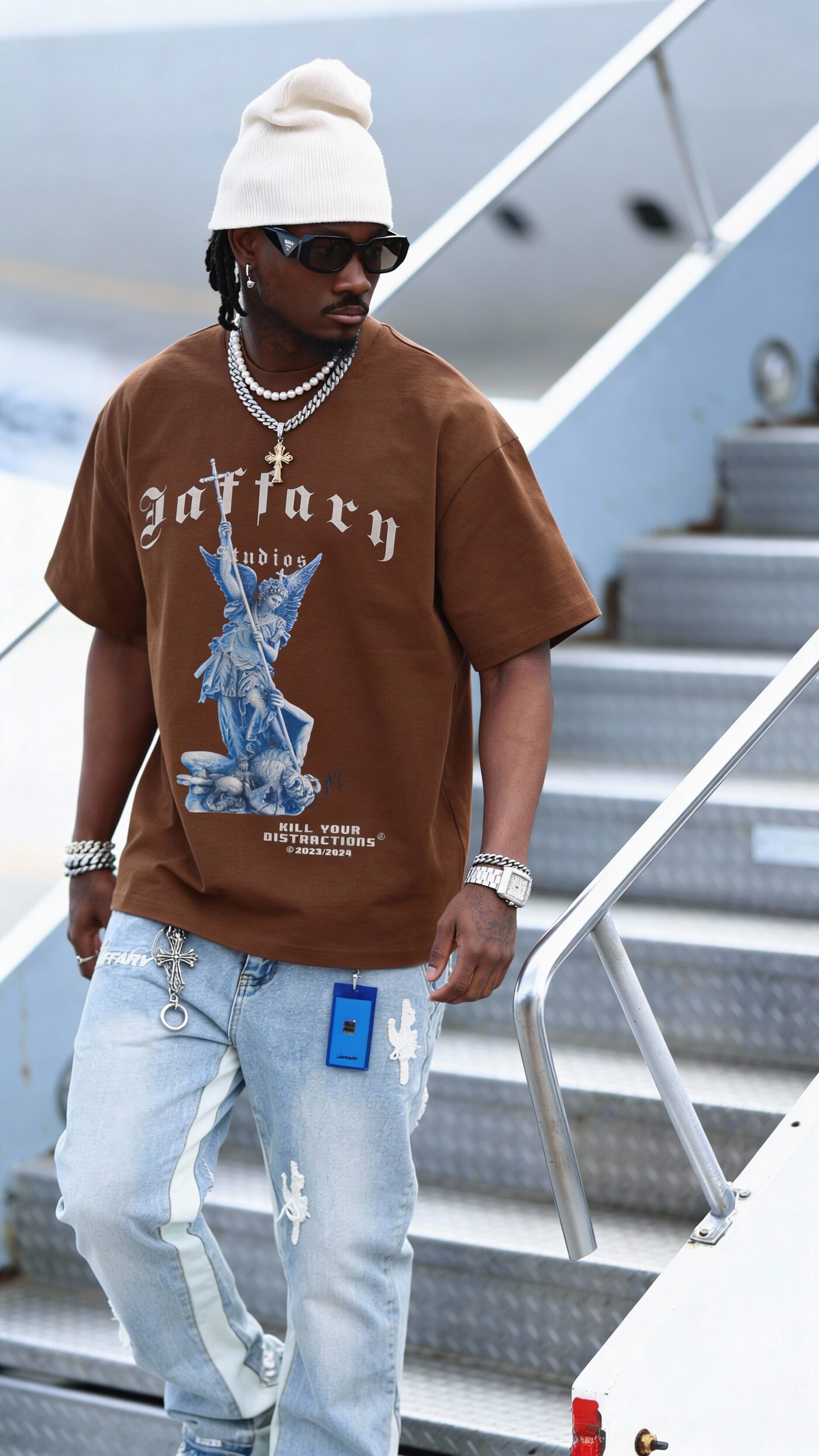
Paris, the city of lights, achieves a unique fusion of elegance and nonchalance in its street style. Parisians know the art of minimalism, with a wardrobe centered around timeless pieces such as tailored trousers, sleek leather jackets, and classic berets. This understated approach embraces the essence of luxury streetwear, where quality materials and craftsmanship take precedence over transient trends. Just as Jaffary Studios epitomizes "K!LL Your Distractions," Parisian street style captures attention through refined simplicity.
Vibrant Threads of New York
New York, ever the melting pot, brings eclectic and unpredictable energy into its street fashion scene. Home to hip-hop culture and its influence on streetwear, New York thrives on diversity and inclusivity. From oversized hoodies inspired by 90s rap to polished streetwear suits that echo Wall Street sophistication, this city champions a democratized approach to fashion that welcomes all voices and styles, celebrating individuality over conformity.
The Cultural Tapestry
What makes street style around the world so captivating is its ability to tell multifaceted stories rooted in cultural history and societal trends. Each look, whether subtle or ostentatious, is a testament to personal narrative and collective memory. No two cities are alike; street style is a tactile geography where we navigate through layers of social discourse and artistic expression.
Fashion as a Form of Protest
In cities like Nairobi and Johannesburg, street style transcends aesthetics. It signals a form of protest and resilience, weaving in elements of heritage with bold African prints and tailored silhouettes that challenge colonial legacies. Designers such as Thebe Magugu and Sindiso Khumalo infuse their collections with narratives of empowerment and cultural celebration.
Resurgence of Local Fabrics
Globally, there's a growing movement toward sustainability and the reinvention of traditional textiles. Stockholm’s streetwear scene, often known for its clean lines and muted palette, now includes vibrant patterns using locally sourced, sustainable materials. Jaffary Studios, in its latest collection, embraces this trend, focusing on ethically produced fabrics that speak to conscious consumerism. Explore the latest collection to see how innovation meets ecological responsibility.
Conclusion: Fashion Without Borders
Street style around the world in 2026 is a tapestry that reflects ongoing dialogues between tradition and modernity, personal expression and communal identity. Jaffary Studios believes in the unifying power of style to "K!LL Your Distractions" and forge connections across global cultures. As fashion enthusiasts, we are witnessing an era where every corner of the world contributes to the evolving story of how we dress and why it matters, proving that fashion, at its core, is colorblind and borderless.