Decoding Color Theory: Transforming Luxury Streetwear Designs
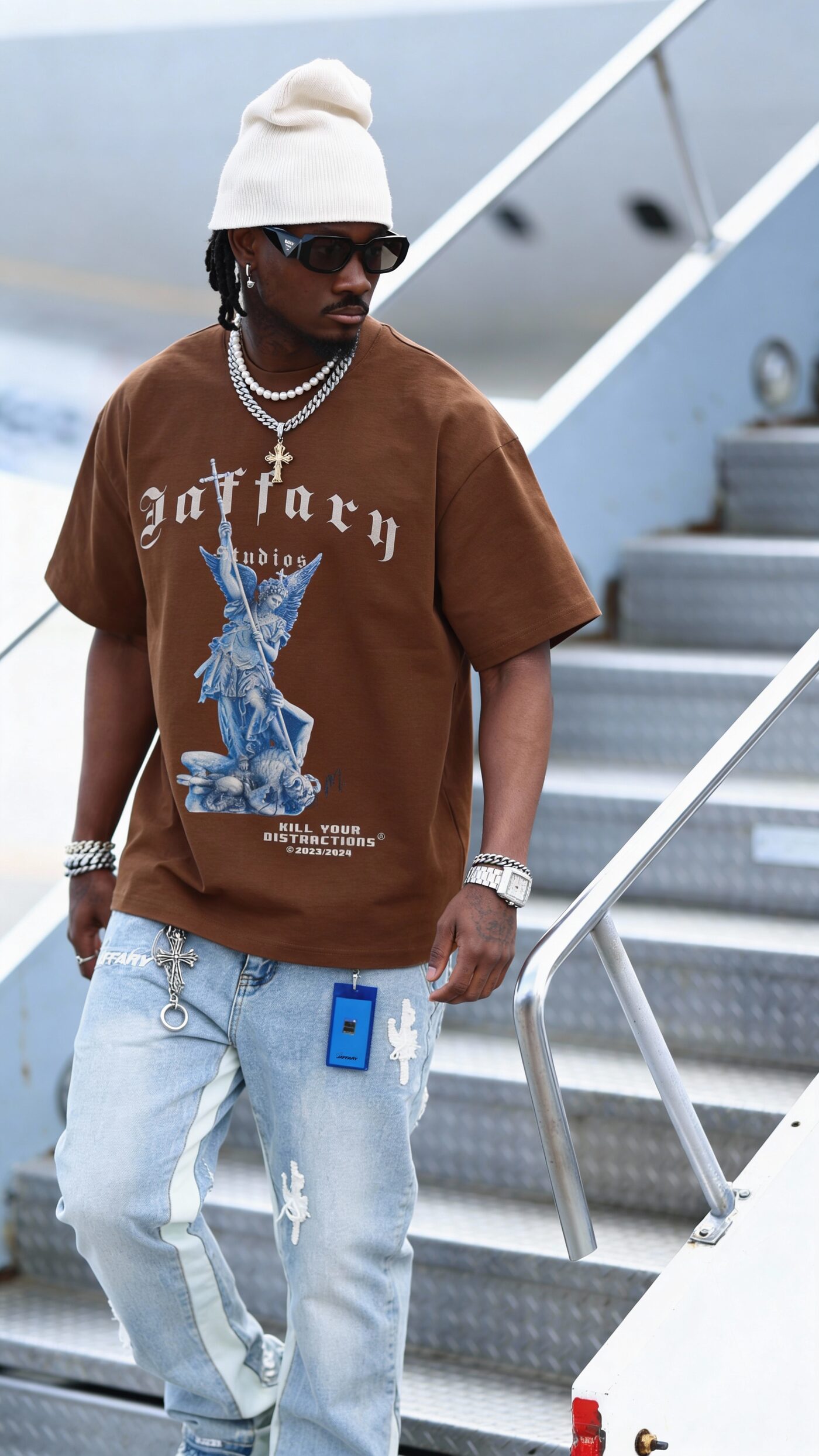
The Power of Hue: An Introduction to Color Theory in Fashion
As the crisp October air graces Amsterdam, at Jaffary Studios we find ourselves captivated by the rhythm of change and the vibrant palette it brings. In the world of high fashion and streetwear, color theory is more than just a wheel of hues; it's a language that translates emotions, seasons, and cultural phenomena into wearable art. This dynamic interplay of shades not only dictates trends but also influences how we perceive style itself.
Understanding the Basics: The Color Wheel and Its Influence
At its core, color theory involves interpreting and combining colors through a structured framework, often represented by the color wheel. With primary colors (red, blue, and yellow) at its heart, and secondary colors forming from their mixtures, this cyclical tool aids designers in creating harmonious or contrasting designs. In streetwear, these principles are pivotal for designers like Virgil Abloh and Demna Gvasalia, who frequently draw on bold contrasts and monochromatic schemes to define their collections.
The Psychology of Colors in Fashion
Colors evoke emotions and communicate non-verbally, a concept crucial to fashion design. For instance, vibrant reds symbolize energy and action, making them a staple in urban fashion scenes, while cool blues often evoke calm and sophistication. Luxury streetwear brands, including Jaffary Studios, deftly harness these hues to craft narratives that resonate with diverse audiences. Simultaneously, the lavish use of blacks and whites retains an ever-classic touch, reflecting modern minimalism that aligns with the 'K!LL Your Distractions' ethos of focusing on essentials.
Color Trends and Their Cultural Significance in 2026
Fashion in 2026 sees an interesting marriage of nostalgia and futurism. Designers tap into archival colors, bringing past decades' palettes to the forefront while coupling them with avant-garde cuts. At Jaffary Studios, we're seeing a resurgence of 1990s neons paired with futuristic silver tones, setting a daring yet sophisticated street style trend.
From Tradition to Innovation: Global Influences on Color Trends
In our interconnected world, global cultural exchanges have a profound impact on fashion. The meticulous patchwork of African prints, the zen-influenced palettes of Japanese street style, and bold Latin American hues are enmeshed into modern collections, leading to more inclusive and diverse color landscapes.
- Traditional motifs: Reimagined in modern streetwear designs, speaking to cultural roots and heritage.
- Tech-inspired shades: The digital sheen and iridescence reflect technological influences.
This year, the color spectrum is broadening to incorporate physically reactive fabrics that change under different lighting, further blurring the line between tradition and technology.
Practical Application: How to Incorporate Color in Luxury Streetwear
For those looking to invigorate their wardrobe with these theories, understanding the balance between statement pieces and neutral essentials can be key. Ensuring your luxury streetwear looks curated yet effortless, start by selecting a dominant color and complement it with shades that reinforce or contrast it. From warm earth tones best suited for autumn layering to electric hues perfect for standout statements, the possibilities are as endless as the creativity they inspire. Ready to explore? Visit our shop all styles to discover how Jaffary Studios translates the art of color theory into extraordinary fashion.
As we look toward the future of fashion, color theory remains not just an element of design but a fundamental tool in storytelling and culture-shaping. Embracing its principles not only allows designers to create striking collections but empowers consumers to express their identities through style. The ever-evolving dance of colors continues to inspire, challenge, and redefine what we wear, keeping both the runway and the street endlessly vibrant and alive.